Commercial Waste Islington: Recycling and Sustainability in the Eco-Friendly Waste Disposal Area
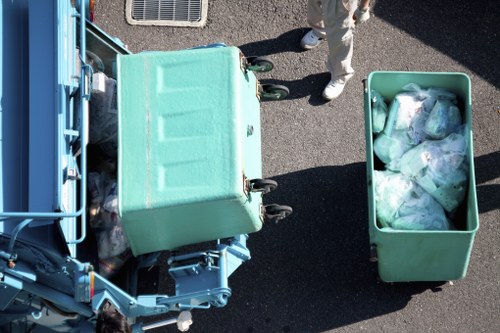 In the heart of north London, Commercial Waste Islington is committed to shaping a greener, more resource-efficient future. Our approach to the sustainable rubbish area focuses on practical, measurable outcomes: we have set a borough-wide recycling percentage target of 65% by 2030, aiming to reduce landfill dependency and promote circular economy principles for local businesses and commercial properties. This page outlines the strategies, partnerships, and operational changes that make Islington's commercial waste and recycling programme a model for eco-conscious urban waste management.
Our vision recognises that an effective eco-friendly waste disposal area depends on coordinated collection, reliable transfer infrastructure, and clear separation at source. Businesses across the borough are encouraged to adopt segregated streams for paper and card, mixed dry recycling, glass, food waste, and correctly contained trade residuals. The borough’s approach to waste separation has shifted towards simpler, consistent bins for commercial premises to increase capture rates and reduce contamination.
 To support the 65% recycling percentage target, we work closely with local authorities and the wider North London waste network to optimise routes and reduce journey times to local transfer stations and facilities. Commercial waste collection feeds into a network of transfer stations and depots in the region, where material can be sorted efficiently before onward processing. This reduces haulage distances and improves material quality for reprocessors, helping to lower the carbon footprint of each tonne of diverted waste.
Low-Carbon Fleet and Operational Changes
A key feature of our sustainable rubbish area is the investment in low-emission transport for collections. We deploy a mix of low-carbon vans, hybrid vehicles and an increasing number of electric vans for short urban trips to minimise emissions in dense commercial districts. By reconfiguring schedules and encouraging consolidation of collections for smaller premises, Islington commercial waste services cut unnecessary vehicle movements and support cleaner air across the borough.
Partnerships with Charities and Reuse Networks
Strong partnerships with local charities and social enterprises are central to our reuse strategy. When commercial tenants have surplus furniture, textiles, or working electrical items, those materials are triaged and diverted to accredited reuse partners. These collaborations extend the life of products, create local jobs, and reduce the amount classified as waste. We work with clothing and furniture redistribution schemes, food-rescue networks for edible surplus, and repair cafés that help turn potential waste into valuable community assets.Business premises are encouraged to sign up to reuse initiatives that separate high-quality items at the point of collection. Through this process, the sustainable rubbish area becomes more than a collection point: it becomes a gateway into local circular supply chains.
Practical Recycling Activities and Local Policy
Commercial Waste Islington complements the borough's municipal recycling policies by offering dedicated trade recycling options. These include segregated glass collections, cardboard baling for shops and food businesses, and dedicated organic collections for cafes and restaurants. Our systems echo the borough approach to waste separation—clear labelling, consistent bin colours, and guidance for staff reduce contamination and increase recovery rates. What businesses can expect:
- Regular dry recycling and food waste collections tailored to business type
- Access to local transfer stations that prioritise material recovery
- Opportunities for reuse via charity partnerships and local social enterprises
- Low-carbon vans and optimised collection scheduling to cut emissions
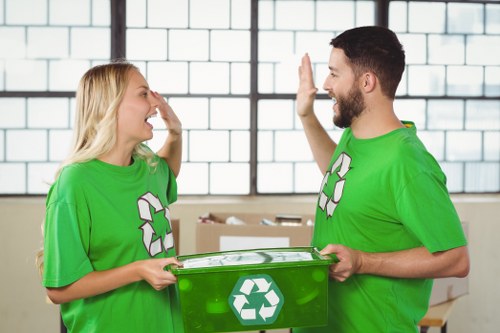 In addition to carriers and transfer hubs, our sustainability programme promotes on-site measures: compactors and balers for high-volume recyclables, secure containers for confidential paper recycling, and proactive waste audits that identify opportunities to move more material into recycling and reuse streams. For many businesses, small operational changes unlock large improvements in their environmental performance.
Monitoring Progress and Continuous Improvement
We track progress towards the recycling percentage target using a combination of tonnage reporting, route analytics, and periodic contamination audits. Continuous improvement cycles help us refine collection frequency, update segregation advice, and expand the low-carbon fleet. Strong data feedback enables targeted campaigns in zones underperforming against the borough-wide recycling rate.Commercial Waste Islington also supports educational outreach for commercial property managers and facilities teams, emphasising the importance of source separation and correct container use. Even modest behaviour changes—proper rinsing of containers, avoiding bagged recyclables in the dry stream, and separating bulky items for reuse—have measurable effects on recovery rates and the quality of materials sent to reprocessors.
Our commitment is clear: an integrated, transparent approach to commercial waste in Islington that prioritises the sustainable rubbish area, strengthens local reuse economies through charity partnerships, and reduces transport emissions with low-carbon vans. Together with businesses, transfer facilities and community partners, we are building a resilient, resource-efficient urban waste system prepared to meet both local needs and long-term environmental goals.
