 Modern Slavery Statement — Commercial Waste Islington
Our commitment to ethical waste management in Islington and across the supply chain
 Commercial Waste Islington confirms its enduring commitment to preventing modern slavery, human trafficking and forced labour in every aspect of our operations. We provide commercial waste services and manage commercial rubbish removal with policies designed to eliminate exploitation. Our zero-tolerance policy applies to employees, contractors and suppliers engaged in commercial waste collection, transfer, recycling and disposal activities. This statement explains our approach to due diligence, supplier audits, accessible reporting channels and our annual review process for continuous improvement.
Zero-tolerance policy and expectations
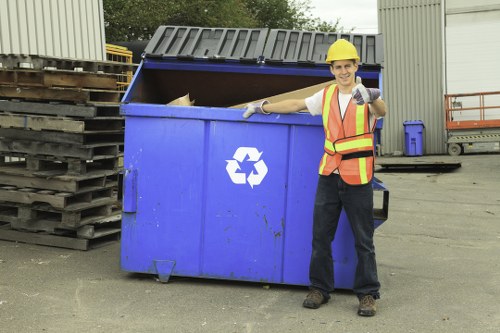 We operate a clear and uncompromising zero-tolerance policy for modern slavery across Commercial Waste Islington and within the wider context of commercial waste in Islington. All colleagues and partners must adhere to our Code of Conduct and procurement standards. We expect lawful recruitment practices, transparent pay and legitimate hours, safe working conditions and freedom of movement for workers. Failure to comply with these standards will result in immediate remedial action, suspension or termination of contracts, and where appropriate, referral to authorities.
- Supplier declarations: mandatory statements of compliance with anti-slavery legislation;
- Contract clauses: robust safeguarding terms embedded in procurement contracts;
- Whistleblowing support: protections against retaliation for those who report concerns.
 Supplier audits and due diligence form a central pillar of our approach to managing risks in the Islington commercial waste sector. We operate a risk-based audit programme that includes pre-contract checks, periodic site visits, verification of payroll and recruitment records, and assessment of subcontractor arrangements. Where higher risk is identified, we increase the frequency and depth of inspections and request remedial action plans. The audit process is designed to identify indicators of exploitation such as withheld wages, excessive working hours, confiscated identity documents or recruitment fees paid by workers.
We invest in training for procurement and operational teams so staff can recognise signs of modern slavery in the commercial waste and rubbish collection workforce. Training covers reporting obligations, victim identification, and how to support workers safely and confidentially. Our audits are complemented by documentary reviews and, when necessary, independent third-party verification to validate findings and confirm compliance with our ethical standards.
 Reporting channels are confidential, accessible and actively promoted across our operations. Workers, contractors and other stakeholders can raise concerns through internal reporting mechanisms and anonymous routes; all reports are triaged, investigated and escalated as appropriate. Investigations are carried out impartially, with attention to protecting victims and whistleblowers. We maintain clear case management procedures that document investigations, corrective measures and any contractual or legal remedies pursued. We do not tolerate retaliation and ensure that those who speak up are supported.
As providers of Islington commercial waste services, we also require suppliers to implement their own anti-slavery policies and to demonstrate ongoing compliance through evidence, self-assessments and independent audits. Our supplier engagement includes clear performance indicators, contractual remedies for non-compliance and, where necessary, termination of relationships with organisations that fail to remediate identified issues. We encourage collaboration across the sector to raise standards for waste handlers, drivers, labour providers and subcontractors.
We monitor relevant legal developments and industry best practice so that our policies and procedures remain up to date. Commercial Waste Islington will continue to strengthen procurement controls, enhance audit methodologies and expand training as part of a continual improvement programme. We also seek to share learning across partners and stakeholders to reduce vulnerabilities that can lead to exploitation in the commercial waste chain.
Our Modern Slavery Statement is reviewed at least annually by senior leadership and the board to assess effectiveness, update risk assessments and set priorities for the coming year. The annual review examines audit outcomes, reported incidents, supplier performance and any legislative changes. Following each review we publish a refreshed statement of priorities and actions to further reduce the risk of modern slavery in our operations and within the wider sphere of commercial rubbish and waste management.
