Complaints Procedure for Commercial Waste Islington
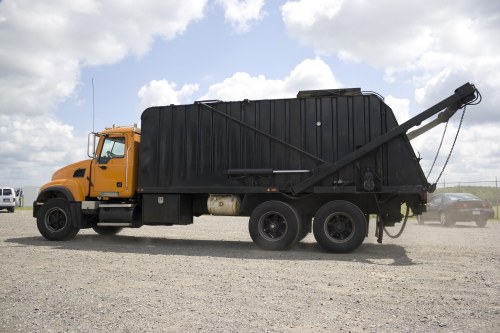 This Complaints Procedure explains how businesses and service users can raise a concern about commercial waste services in Islington. It applies to all aspects of commercial rubbish collection, waste disposal contracts and related refuse handling supplied to local businesses. The aim is to provide a clear, fair and timely process for resolving issues, improving service delivery and maintaining public health and environmental standards.
Our approach to handling commercial waste complaints is impartial and consistent. If you raise a complaint about a missed collection, contamination of a commercial recycling stream, or any failure in scheduled commercial refuse collection, the complaint will be recorded and assessed against our service standards. Commercial waste disposal Islington matters are treated seriously and investigated proportionately to potential impact on health, safety and business continuity.
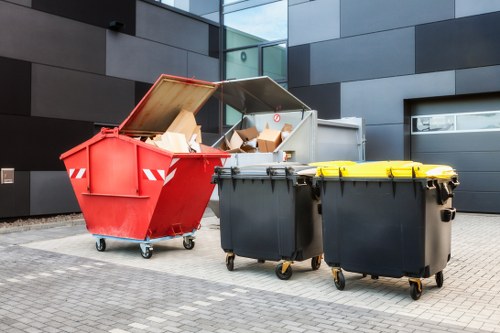 Principles that guide the complaints process include:
- Accessibility — the procedure is available to any business customer of commercial rubbish services.
- Transparency — decisions and outcomes are documented.
- Proportionality — investigations are scaled to the nature of the issue.
How to Make a Complaint
To begin the formal complaints process, provide a clear description of the issue, including dates, locations, and the nature of the service failure. While this is a legal information page and not a contact page, complainants should ensure their notification is marked as a complaint within the provider's established channels. Please include any relevant contract or invoice references when available to help locate records quickly.On receipt, the complaint will be acknowledged within an established timeframe and logged in a complaints register. An acknowledgement will set out the next steps and an expected timeframe for an initial response. The complaint will be allocated to an officer for handling; this ensures continuity and a single point of accountability for the investigation of commercial refuse matters.
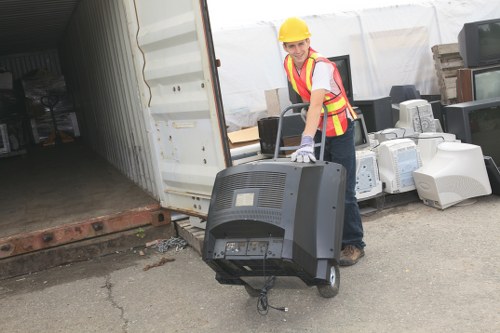
Investigation and Resolution
Investigations will include a review of service records, driver or crew notes, CCTV if available, and any contractual terms relevant to the alleged failure. Investigators will seek to establish the facts and recommend remedial action. Typical remedies for failures in business waste services may include arranging a catch-up collection, corrective disposal, or putting measures in place to prevent recurrence for commercial rubbish services Islington.Where the complaint relates to safety, contamination, or statutory breaches, the response will prioritise rapid mitigation. For non-urgent matters, the investigation will still aim to be completed within a reasonable period and an outcome communicated. Records of decisions, corrective actions and learning points are retained to support continuous improvement in commercial refuse operations and customer service.
Escalation and Review: If a complainant is not satisfied with the initial outcome, they may request an internal review or escalation to a senior manager. Escalation triggers a fresh examination of the case by a different officer. Where appropriate and lawful, the complaint may be referred to an independent or regulatory body for further consideration, particularly for complex contractual or environmental compliance issues affecting business waste Islington services.
The complaints process is subject to data protection and confidentiality requirements. Complainant details and case records are handled in accordance with privacy obligations, with disclosures limited to those necessary for investigation and remedy. Personal and sensitive information is redacted where required and only shared on a need-to-know basis during commercial waste investigations.
To help us investigate efficiently, include the following where relevant:
- Service address or site name
- Date(s) and time(s) of the incident
- Description of the problem and any immediate impacts
- Any contract or invoice numbers and crew references
All complaints are logged, monitored for trends and reported to senior management as part of quality assurance. Regular review of complaints helps identify recurring problems in waste collection rounds, equipment failures, or communication issues with commercial rubbish contractors. Monitoring supports targeted training, operational changes and improved service planning for commercial waste management.
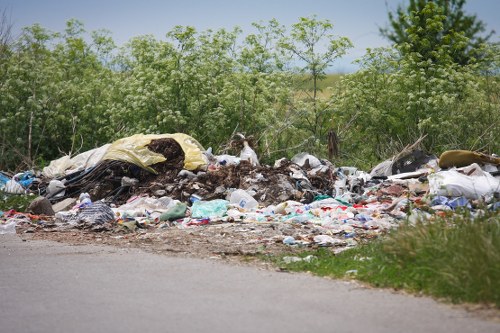 Remedies and outcomes are proportionate to the issue and may include service rectification, process changes, or where appropriate and permitted, financial adjustment. Note: remedies are applied within the terms of the relevant service agreement and in line with statutory responsibilities related to waste handling. Some requests, such as altering contract terms or retroactive policy changes, may not be upheld.
 Closing: This complaints procedure for commercial refuse and business waste is intended to ensure issues are handled consistently and fairly. The process is periodically reviewed and updated to reflect changes in service delivery, regulatory requirements and customer expectations. Maintaining open, constructive engagement between waste service providers and business customers supports effective, sustainable commercial waste collection.
Statement: The procedure applies to complaints about commercial waste, rubbish removal and associated services provided in the area. It is not a substitute for contractual dispute mechanisms but is designed to resolve service-level concerns efficiently and transparently.
Record retention: Complaint records are retained as required to support accountability, legal compliance and service improvement. If further escalation is needed beyond internal review, complainants are advised of the appropriate independent routes available for unresolved issues.
