
Insurance and Safety for Commercial Waste Islington
Choosing an insured rubbish company for commercial waste is essential for organisations in Islington that need dependable, compliant rubbish removal. An insured commercial waste partner protects your business from unexpected liabilities and demonstrates a professional approach to waste management. Whether you require an insured rubbish service for regular collections or one-off clearances, understanding the insurance, staff training, personal protective equipment and risk assessment processes that underpin safe operations will help you choose the correct provider.Reputable insured rubbish company in Islington will hold comprehensive policies including public liability insurance and, where relevant, employer’s liability cover. These policies underwrite third-party damage and injuries that could occur during rubbish removal. Having clear evidence of cover is more than a checkbox: it signals that waste handlers have been assessed for financial protection and that you, as a client, are safeguarded against claims arising from property damage, bodily injury or contamination caused by negligent housekeeping during removal activities.
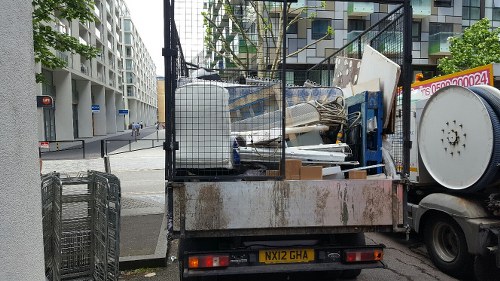 Public liability insurance is non-negotiable for any certified insured waste removal provider. This means the company can pay compensation if their operations harm a member of the public or damage property while carrying out commercial waste duties. Look for providers who publish their coverage limits and who can supply up-to-date certificates of insurance. An insured rubbish service that transparently lists its policy details and renewal dates makes procurement quicker and reduces your organisational risk.
Staff competence is a second pillar of safe commercial waste handling. An insured rubbish company will run structured staff training programmes covering handling hazardous materials, manual handling best practice, safe vehicle loading and local regulations for commercial waste in Islington. Training records should be maintained and auditable, showing staff have received induction, refresher courses, and job-specific instruction. The presence of accredited training—such as qualifications in waste handling or recognised health and safety certifications—adds tangible assurance that the workforce is competent and the insured rubbish service operates responsibly.
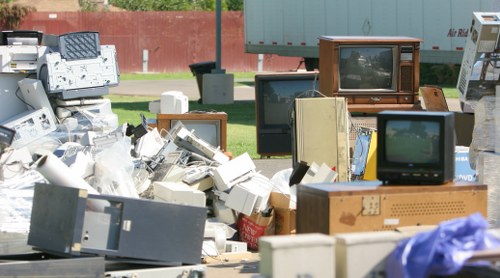 Personal protective equipment (PPE) is also central. A professional insured commercial waste company will issue and enforce the use of appropriate PPE, including high-visibility clothing, gloves, steel-toe footwear, and respiratory protection when needed. PPE policies should be documented, with clear rules on when specific items are required and how they are maintained or replaced. This protective approach reduces incidence rates and supports the insurer’s confidence in the operator’s risk controls, which in turn influences insurance premiums and coverage scope.
Alongside training and PPE, operational safety is underpinned by a robust risk assessment process. An insured rubbish company typically follows a systematic approach: identify hazards, evaluate risks, implement controls, and monitor effectiveness. These assessments should be tailored to each client site—recognising unique access constraints, loading bay layouts, traffic flow, and the nature of the waste being handled. Written risk assessments form part of the company’s due diligence and are often required by insurers before cover is agreed or renewed.
Risk assessments should be living documents. For example, when a customer changes their waste type, increases collection frequency, or modifies site operations, the insured rubbish company must re-evaluate the controls. Typical control measures include segregated waste streams, spill response kits, traffic management during collections, and requirements for specialist handling of hazardous materials. Clear communication of these measures to site managers and front-line operatives is evidence of good governance and reduces the likelihood of incidents that could trigger insurance claims.
Insurance Certificates and Compliance Checks
When procuring an insured rubbish service, request copies of public liability, employer’s liability and vehicle insurance certificates. An organised provider will maintain expiry alerts and present compliance documentation proactively. Regular audits, both internal and external, ensure policies remain fit for purpose. For larger contracts, insurers may require additional controls or higher limits; an experienced insured waste removal partner will advise on those requirements and work with you to achieve compliance without disrupting service delivery.
Practical Safety Measures and Ongoing Improvement
Beyond paperwork, the best insured rubbish companies operate safety-first cultures. They run toolbox talks, incident reporting systems, and near-miss investigations to learn and improve. Key practical measures you should expect to see include:- Documented induction and routine staff training with signed attendance records
- Regular PPE inspections and replacement schedules
- Site-specific risk assessments and documented control measures
- Evidence of public liability and other relevant insurance with sufficient cover limits
- Clear waste transfer and chain-of-custody documentation to prevent illegal dumping liabilities
Choosing an insured rubbish company means looking for transparent insurance arrangements, demonstrable staff competence, enforced PPE standards and a responsive risk assessment process. These elements work together to protect your business and the public while ensuring waste collection runs smoothly. An insured rubbish service that can show how insurance, training, PPE and risk management are integrated into daily operations provides the strongest assurance of safe, compliant commercial waste handling in Islington.
When evaluating providers, consider both the documentation they provide and the practical evidence of safety on site. A combination of up-to-date public liability insurance, comprehensive staff training programmes, consistent PPE use and a dynamic risk assessment framework is the hallmark of a responsible, insured waste removal partner. These measures reduce financial exposure, protect employees and members of the public, and keep your commercial waste operations running reliably.
Investing time to verify these aspects with any prospective supplier ensures you select an insured commercial waste company that meets regulatory expectations and aligns with your organisation’s safety standards. Prioritise providers who treat insurance and safety not as formalities but as integral parts of their service, so your business can rely on professional, protected, and sustainable waste management.
