Comprehensive Guide to Builders Waste Clearance in Islington
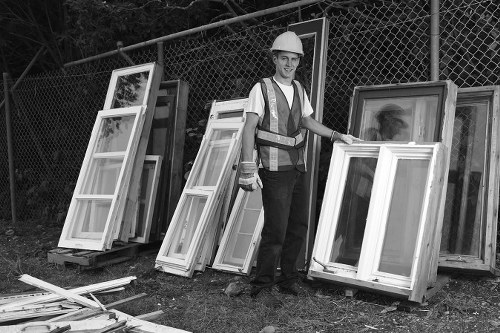
Introduction to Builders Waste Clearance
Builders waste clearance is an essential service for any construction or renovation project in Islington. Efficient waste management not only ensures a clean and safe working environment but also complies with local regulations. Proper disposal of construction debris helps in maintaining the aesthetic appeal of the area and minimizes environmental impact.
Whether you're a DIY enthusiast or a professional builder, understanding the nuances of waste clearance can save you time, money, and effort. This guide explores the various aspects of builders waste clearance in Islington, providing valuable insights to help you manage your project effectively.
From the types of waste commonly generated during construction to the best practices for disposal, we cover everything you need to know to ensure a smooth and hassle-free clearance process.

Types of Builders Waste
Understanding the different types of builders waste is crucial for effective clearance. In Islington, construction projects typically generate a variety of waste materials, each requiring specific handling and disposal methods.
Common Waste Categories
Builders waste can be broadly categorized into the following types:
- Concrete and Masonry: Includes broken bricks, concrete slabs, and other masonry debris.
- Wood and Timber: Offcuts, pallets, and other wood-based materials.
- Metals: Scrap metal, beams, and other metal components.
- Plastics: Packaging materials, pipes, and other plastic items.
- Insulation Materials: Foam boards, fiberglass, and other insulating materials.
Hazardous Waste
Certain construction materials are classified as hazardous waste and require special handling. These include asbestos-containing materials, lead-based paints, and certain solvents. Proper disposal of hazardous waste is not only a legal requirement but also essential for environmental protection.

Benefits of Professional Waste Clearance
Opting for professional builders waste clearance services in Islington offers numerous advantages. These services are designed to handle waste efficiently, ensuring compliance with local regulations and minimizing the risk of fines or penalties.
Time and Cost Efficiency
Professional waste clearance companies have the necessary equipment and expertise to remove waste quickly and efficiently. This can significantly reduce the time spent on managing waste, allowing you to focus on other aspects of your project. Additionally, hiring professionals can be more cost-effective in the long run, as it prevents potential fines and reduces the need for multiple trips to disposal sites.
Environmental Responsibility
Reputable waste clearance services prioritize recycling and proper disposal of materials. By choosing a professional service, you contribute to environmental sustainability, reducing the amount of waste sent to landfills and promoting the reuse of materials.

Steps Involved in Builders Waste Clearance
Effective waste clearance involves a series of well-coordinated steps. Understanding this process can help you plan your project better and ensure that waste is managed appropriately.
1. Assessment and Planning
The first step is to assess the amount and types of waste your project will generate. This helps in planning the appropriate disposal methods and selecting the right waste clearance service. Proper assessment ensures that you comply with local regulations and avoid unnecessary costs.
2. Collection and Segregation
Once waste is generated, it needs to be collected and segregated based on its type. Segregation is crucial for efficient recycling and disposal, as it ensures that recyclable materials are not mixed with non-recyclable waste. Professional services often handle this step to ensure maximum efficiency.
3. Transportation
After segregation, the waste is transported to designated disposal or recycling facilities. Professional clearance services use specialized vehicles to handle different types of waste safely and efficiently, minimizing the risk of environmental contamination.
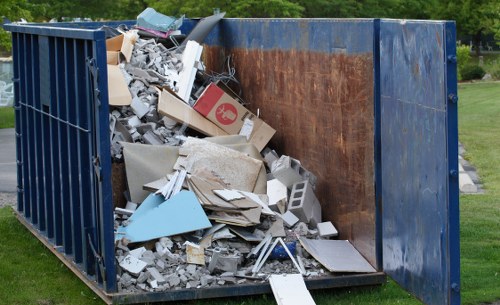
Local Regulations and Compliance
Managing builders waste in Islington involves adhering to specific local regulations. Non-compliance can lead to hefty fines and legal issues, making it essential to stay informed about the relevant laws.
Understanding Islington’s Waste Management Policies
Islington Council has established guidelines for the disposal of construction waste. These policies are designed to ensure that waste is managed in an environmentally responsible manner. Key aspects include:
- Permits and Licensing: Certain types of waste disposal require permits. Ensure that your waste clearance service is licensed to handle the specific waste generated by your project.
- Recycling Requirements: The council mandates recycling of specific materials. Partnering with a professional service that prioritizes recycling can help you comply with these requirements.
- Disposal Fees: Understanding the fees associated with different types of waste disposal can help in budgeting and cost management.
Environmental Impact
Proper waste management reduces the environmental footprint of your construction project. Recycling materials and minimizing landfill waste contribute to sustainability efforts in Islington, aligning with broader environmental goals.
Choosing the Right Waste Clearance Service
Selecting a reliable waste clearance service is critical for the success of your project. Here are key factors to consider when choosing a provider in Islington.
Experience and Expertise
Opt for companies with a proven track record in builders waste clearance. Experienced providers understand the complexities of waste management and can handle various types of construction debris efficiently.
Range of Services
Ensure that the service offers comprehensive solutions, including waste collection, segregation, transportation, and recycling. A full-service provider can streamline the process, reducing the need for multiple contractors.
Cost Transparency
Transparent pricing is essential to avoid unexpected costs. Request detailed quotes and understand what is included in the service to make an informed decision.
Best Practices for Builders Waste Clearance
Implementing best practices in waste clearance can enhance efficiency and sustainability. Here are some strategies to optimize your waste management process.
Minimize Waste Generation
Plan your project meticulously to reduce the amount of waste generated. Accurate measurements and efficient material usage can significantly cut down on debris.
Prioritize Recycling
Identify materials that can be recycled and ensure they are separated from non-recyclable waste. Partnering with a service that focuses on recycling helps in achieving this goal.
Regular Waste Removal
Schedule regular waste removal throughout your project to prevent accumulation. This not only maintains a clean workspace but also ensures that waste is managed promptly and efficiently.
Cost Factors in Builders Waste Clearance
The cost of builders waste clearance in Islington varies based on several factors. Understanding these can help you budget effectively for your project.
Type and Volume of Waste
Different types of waste have varying disposal costs. Hazardous materials typically incur higher fees due to the specialized handling required. Additionally, the volume of waste directly impacts the cost, with larger quantities leading to increased charges.
Service Level
The extent of services you require also affects the overall cost. Comprehensive services that include sorting, recycling, and transportation are generally more expensive but offer greater convenience and compliance benefits.
Frequency of Clearance
Regular waste removal services may come with bulk pricing discounts. Depending on your project timeline, opting for scheduled clearance can be more cost-effective than ad-hoc pickups.
Environmental Benefits of Proper Waste Clearance
Effective builders waste clearance contributes significantly to environmental conservation. Here’s how proper waste management benefits the environment in Islington.
Reduction in Landfill Use
By recycling and reusing construction materials, the reliance on landfills is minimized. This reduction helps decrease the environmental footprint of construction activities.
Conservation of Resources
Recycling materials like metal, wood, and concrete conserves natural resources. It reduces the need for new raw materials, promoting sustainability in the construction industry.
Lower Carbon Emissions
Efficient waste management processes, including recycling and proper transportation, lead to lower carbon emissions. This aligns with global efforts to combat climate change and supports Islington’s environmental goals.
Case Studies: Success Stories in Islington
Examining successful waste clearance projects in Islington can provide valuable insights into best practices and effective strategies.
Residential Renovation Project
A homeowners association in Islington undertook a large-scale renovation, generating substantial builders waste. By partnering with a professional clearance service, they achieved efficient waste segregation and recycling, reducing landfill waste by 60%. The project was completed on time and within budget, showcasing the benefits of professional waste management.
Commercial Construction
A commercial building project in Islington utilized a waste clearance service that provided regular pickups and comprehensive recycling solutions. This approach not only maintained a clean construction site but also adhered to local regulations, avoiding potential fines and ensuring environmental compliance.
Future Trends in Builders Waste Clearance
The field of builders waste clearance is evolving, with new trends shaping the future of waste management in Islington and beyond.
Increased Recycling Initiatives
There is a growing emphasis on recycling and sustainable waste management practices. Future trends are likely to see more advanced recycling technologies and increased regulations promoting eco-friendly disposal methods.
Digital Waste Management Solutions
The adoption of digital tools for tracking and managing waste is on the rise. These solutions provide real-time data on waste generation and disposal, enhancing efficiency and transparency in the clearance process.
Circular Economy Models
The shift towards a circular economy encourages the reuse and repurposing of materials. This model reduces waste and supports sustainable construction practices, aligning with global environmental goals.
Conclusion
Builders waste clearance is a critical component of any construction or renovation project in Islington. By understanding the types of waste, adhering to local regulations, and partnering with professional services, you can ensure effective and sustainable waste management. Implementing best practices not only enhances project efficiency but also contributes to environmental conservation, supporting the vibrant community of Islington.
Don't let builders waste clearance be a daunting task. Contact us today to streamline your waste management process and make your construction project a success.
