Islington council rules for bulky rubbish disposal explained
If you have an old sofa blocking the hallway, a mattress leaning by the front door, or a broken fridge that has outstayed its welcome, the whole thing can feel oddly urgent. And in Islington, bulky rubbish is one of those jobs that looks simple until you hit the council rules, booking process, access issues, and the question of what happens if your item is actually classed as waste that needs special handling. This guide gives you Islington council rules for bulky rubbish disposal explained in plain English, with practical steps, common mistakes, and sensible alternatives when the council collection route is not the best fit.
Let's face it: nobody wants to spend a wet Tuesday afternoon dragging a wardrobe downstairs only to find out it cannot be collected the way they thought. So below, you'll find a clear, useful breakdown of what bulky waste usually means, how council collections typically work, what residents and businesses should watch out for, and how to choose the cleanest, safest disposal route.
Contents
- Why Islington council rules for bulky rubbish disposal explained matters
- How Islington council rules for bulky rubbish disposal explained works
- Key benefits and practical advantages
- Who this is for and when it makes sense
- Step-by-step guidance
- Expert tips for better results
- Common mistakes to avoid
- Tools, resources and recommendations
- Law, compliance, standards, or best practice
- Options, methods, or comparison table
- Case study or real-world example
- Practical checklist
- Conclusion
- Frequently asked questions
Why Islington council rules for bulky rubbish disposal explained matters
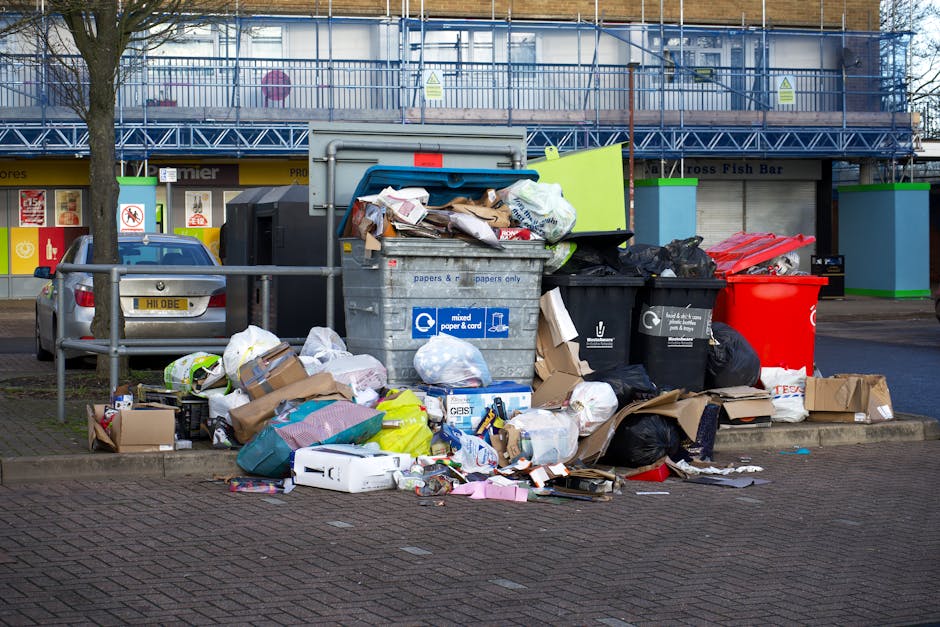
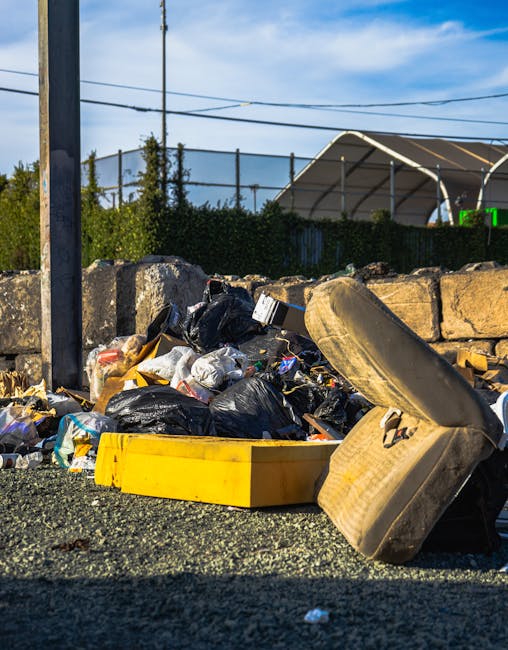
Bulky rubbish is rarely just "a big item." In practice, it can be furniture, white goods, beds, mattresses, mixed household junk, or awkward pieces that need more than a standard wheelie bin collection. The reason Islington council rules matter is simple: once you get the category wrong, you can face delays, missed collections, extra effort, or an item left outside longer than you planned. Nobody wants that sitting on the pavement, especially when space is tight and neighbours are walking past at all hours.
For many households, the rules also matter because bulky waste disposal is not only about convenience; it is about keeping streets tidy, avoiding fly-tipping, and making sure items go to the right treatment route. If something can be reused, recycled, or separated from general waste, that changes how it should be handled. That's where clear guidance helps. It saves time, and a bit of stress too.
There is also the local reality of Islington itself. Flats, basement properties, narrow stairwells, shared entrances, and limited parking can make even a simple sofa removal feel like a small military operation. A clear understanding of the council's approach helps you decide whether a scheduled bulky collection is enough, or whether a fuller waste removal service is more practical.
Practical takeaway: if your item is awkward, heavy, hazardous, or part of a larger clear-out, check the disposal route before you move it. It is far easier to plan first than to rescue the situation later.
For bigger household jobs, it can also help to explore related services such as house clearance, home clearance, or even flat clearance if the bulky waste is part of a wider move or declutter. That way, you are not solving one item at a time when the whole property needs attention.
How Islington council rules for bulky rubbish disposal explained works
At a high level, bulky rubbish disposal through a council route usually works by requesting a collection for items too large for normal household bins. The council then sets out what can be collected, how items should be presented, where they should be left, and what preparation is needed. The exact details can change over time, so it is always wise to check the current council instructions before booking. Still, the general pattern is fairly consistent.
Here is the basic flow most people will recognise:
- You identify the item or items that need removal.
- You check whether they are accepted as bulky waste or need a special route.
- You arrange collection, often for a specific date or time window.
- You place items where instructed and ensure access is clear.
- The items are removed, with some materials potentially separated for reuse or recycling.
That sounds straightforward. In real life, the tricky bit is usually the item list. A sofa might be fine, but a fridge can raise appliance-handling questions. A mattress may be accepted, while a broken cabinet with sharp edges may need careful wrapping or different handling. Add in things like paint tins, chemicals, builders' rubble, or electricals, and the picture changes quickly.
Some residents also assume that "bulky rubbish" means any large unwanted object. Not quite. Items contaminated with hazardous materials, commercial waste, or certain appliance types may need alternative treatment. If you are dealing with an old freezer, a washing machine, or any item with refrigerant or electrical components, it may be better to look at specialist fridge and appliance removal rather than bundling it in with general bulky waste.
For households clearing a mixture of items, a broader waste removal service may be a better fit than trying to split everything into separate collections. And if the load includes items such as a sofa or bed, a dedicated mattress and sofa disposal route can keep the process more efficient.
Key benefits and practical advantages
People usually start with the council route because it feels official, tidy, and familiar. Fair enough. It can be a good option. But the benefits go beyond that.
- Clear structure: you know the request is being handled through a defined local process.
- Less guesswork: the rules tell you what is accepted and how to prepare it.
- Better street order: properly arranged collections reduce the chance of items sitting out too long.
- Environmental upside: bulky waste is often easier to sort for recycling or reuse when collected through a structured route.
- Lower risk of mistakes: if you follow the instructions, you are less likely to create an access issue or a missed pickup.
There is another quiet benefit: mental load. Big clutter can sit in your head for weeks. You keep stepping around it, meaning to deal with it, and it becomes part of the furniture, so to speak. Once you have a plan, the pressure lifts. That matters more than people admit.
For landlords, agents, and businesses, the advantages are even more practical. A managed removal helps maintain standards, avoid complaints, and keep turnaround times under control. If the job involves an office, for example, you may want to compare a council route with office clearance or, for commercial operators, business waste removal.
And if the bulky items are part of a larger refresh after building work, a specialist builders waste clearance can be the more sensible choice. Dust, plasterboard, broken offcuts, and packaging often complicate matters in a way the average household collection just is not built for.
Who this is for and when it makes sense
This topic matters to a wider group than you might think. It is not just for homeowners with an old sofa. In practice, people searching for Islington council bulky waste rules often include:
- tenants clearing out a flat before the end of a lease
- owners replacing broken furniture or appliances
- landlords dealing with abandoned items after a move-out
- families handling bereavement clearances or a long-overdue declutter
- small businesses removing office furniture or storage overflow
- people with gardens, garages, lofts, or sheds full of awkward, heavy items
There are also times when the council route makes sense and times when it does not. If you have one or two clearly accepted items, plenty of access, and no time pressure, a bulky collection may be fine. If you have a mixed load, tight stairways, several floors, or a deadline, you may be better served by a more flexible clearance option such as garage clearance, loft clearance, or furniture clearance.
Truth be told, the wrong choice usually shows up when people are under time pressure. It is much easier to move at your own pace when the job is just one item. But once there are five items, plus a broken shelf, an old printer, and a mattress that somehow got heavier overnight, the "quick council collection" idea can start to wobble.
Step-by-step guidance
If you want the cleanest path through bulky rubbish disposal, use this practical sequence.
1. Identify every item clearly
List each object separately. A sofa is not a mattress. A fridge is not general furniture. A wooden wardrobe may be accepted differently from a broken metal filing cabinet. This sounds obvious, but it is exactly where people go wrong. A rough list is better than a vague one.
2. Separate bulky waste from hazardous or specialist items
Do not mix paint, oils, chemicals, or asbestos-like materials with everyday bulky waste. If the load includes anything potentially hazardous, use specialist handling. A sensible starting point is hazardous waste disposal, because that is the category where caution really matters. One wrong item can change the whole job.
3. Check access conditions
Measure doorways, note stairs, check parking space, and think about whether items can be carried safely from inside the property. Many collections fail not because the rubbish is wrong, but because access is poor. Narrow corridors, basement steps, and shared hallways can all slow things down.
4. Decide whether a council collection is enough
If the load is simple and small, a council route may work well. If you are disposing of multiple categories at once, a dedicated clearance service can be faster and less stressful. For example, a mixed domestic clear-out might involve furniture disposal, appliance removal, and general waste removal in one go.
5. Prepare the items properly
Where required, remove loose contents, detach small parts, and make items easier to carry. Some people forget to empty drawers or remove bedding from a bed frame. It happens. More than you'd think. If the item can be safely broken down without damage or risk, that may help, but do not force anything structural if it creates sharp edges or instability.
6. Put items out exactly as instructed
Most waste collections are strict about where items should be left. Keep to the designated area, and avoid blocking pavements, doorways, or shared routes. In dense parts of Islington, even a short obstruction can create a nuisance.
7. Confirm what has and has not been taken
After collection, check whether all items were removed. If something remains, find out whether it was not accepted, not visible, or not prepared correctly. A quick follow-up is better than leaving one chair behind and pretending it is part of the decor.
Expert tips for better results
In our experience, the smoothest bulky rubbish jobs are the ones prepared with a little care upfront. Not perfection. Just enough thought to avoid obvious problems.
- Take a photo of the load before booking. It helps you remember exactly what needs removing, especially if the job is spread across rooms.
- Group items by type. Furniture, electricals, and general junk should not all be mixed together if you want a cleaner estimate of the work involved.
- Think in terms of time, not just item count. A single heavy wardrobe on a top floor can be harder than three smaller items on a ground floor.
- Watch for hidden weight. Old books, damp upholstery, and waterlogged garden waste are often heavier than they look.
- Use a flexible service if the job might grow. One chair turns into a room full of clutter very quickly. It really does.
If the items are bulky but still usable, consider whether they should be reused or repurposed before disposal. Some furniture can be separated for a different route, especially if it is still in decent condition. That is where local sustainability thinking becomes useful, and it is one reason to review recycling and sustainability principles before sending everything straight to disposal.
Another useful habit: keep a small "disposal pile" in one corner rather than scattering items around the property. It sounds minor, but visually it helps. One tidy corner is easier to manage than five half-finished piles and a vague sense of guilt.
Common mistakes to avoid
Most bulky waste headaches come from the same few mistakes. Avoid these and you are already ahead of the game.
- Assuming every large item is accepted. Some items need specialist disposal or separate handling.
- Leaving items in the wrong place. This can trigger a missed collection or create access problems.
- Mixing hazardous waste with general rubbish. That is a proper no-go.
- Forgetting about appliance constraints. Fridges, freezers, and similar items can need specific handling.
- Not checking whether the property has the access needed. A collection crew cannot safely lift through locked gates or blocked hallways.
- Underestimating how long a clear-out takes. A "quick" job can unravel into half a day, especially in older buildings.
One of the sneakiest mistakes is trying to force the council route for a job that really wants a specialist clearance. If you are dealing with a sofa, mattress, fridge, and a pile of mixed household waste, a single coordinated removal is often more efficient than three separate attempts.
Also, if you are clearing an entire property, do not forget the odd corners. Attics, sheds, utility cupboards, and garages are the places where bulky rubbish hides in plain sight. You spot it all at once, usually at the end. Typical.
Tools, resources and recommendations
You do not need a fancy toolkit to handle bulky rubbish well, but a few practical tools make life easier.
- Measuring tape: useful for checking item sizes and access points.
- Gloves and sturdy shoes: basic protection for moving sharp or dusty items.
- Marker pen and tape: helpful for labelling items, especially if you are separating what stays and what goes.
- Phone camera: ideal for photographing the load before booking.
- Simple checklist: keeps the job organised and reduces forgotten items.
For more structured disposal jobs, it can help to look at service-specific pages such as furniture disposal, fridge and appliance removal, or mattress and sofa disposal. These are especially useful when the bulky items are not just large, but also awkward, heavy, or material-specific.
If you are preparing for a larger domestic project, loft clearance and garden clearance are also worth considering. A lot of bulky waste is really just old storage coming back to life in a less flattering form.
Law, compliance, standards, or best practice
When people talk about council rubbish rules, the legal side can sound scarier than it really is. The practical point is simple: waste should be stored, presented, and transferred responsibly. In the UK, households and businesses are expected to dispose of waste in a way that avoids nuisance, illegal dumping, and environmental harm.
For residents, the key best practices are:
- only present items that are accepted under the relevant collection route
- keep access routes clear and safe
- separate hazardous or specialist waste
- do not leave items where they could obstruct pavements or communal spaces
- use reputable disposal methods that support recycling where possible
For businesses, the duty of care is even more important. Waste needs to be handled properly from storage to collection, with attention to documentation, segregation, and safe transfer. If you are managing office waste, confidential materials, or regular commercial disposal, look at business waste removal and confidential shredding where relevant.
For compliance-minded operators, internal standards matter too. If a provider has clear policies on health and safety, insurance and safety, and terms and conditions, that is usually a good sign they take the process seriously. Not glamorous, perhaps, but reassuring.
And if you are handling a load that might be contaminated, damaged, or unusually heavy, specialist caution is better than optimism. Optimism is lovely; compliance is better.
Options, methods, or comparison table
Choosing the right disposal route depends on volume, item type, time pressure, and how much lifting is involved. Here is a simple comparison.
| Option | Best for | Strengths | Limitations |
|---|---|---|---|
| Council bulky collection | Single or small number of accepted household bulky items | Structured, local, familiar | May be less flexible on item types, timing, and access |
| Specialist waste removal | Mixed loads, awkward access, time-sensitive clear-outs | Flexible, efficient, suitable for more varied loads | Requires choosing the right provider and service type |
| Item-specific disposal | Furniture, mattresses, appliances, or hazardous items | Matches the waste to the right treatment route | May need separate handling for different categories |
| Full property clearance | Homes, flats, lofts, garages, or offices with multiple waste types | Fastest for larger jobs, reduces back-and-forth | More comprehensive than needed for one item |
There is no universal "best" answer. For one mattress, a simple collection may do. For a two-bedroom flat, a mix of furniture, appliances, and general waste is usually better handled as a broader clearance. That is why people often compare flat clearance, home clearance, and house clearance before booking anything.
Case study or real-world example
Here is a realistic example. A resident in a first-floor Islington flat has a worn sofa, a broken bedside cabinet, an old microwave, and a mattress that has been sat upright in the bedroom for about two months. The hallway is narrow, the building has a shared entrance, and the resident also needs the items gone before a weekend viewing.
At first glance, a bulky collection sounds fine. But once the item list is checked properly, the situation is a bit more mixed. The sofa and mattress are straightforward bulky items, the cabinet is fine if it is prepared safely, and the microwave may need to be treated as an electrical item. If the resident adds a bag of old cables, a lamp, and some general clutter from a wardrobe, the job is now broader than a simple one-off collection.
The practical solution is to group the items, separate the electricals, check access, and book the right service for the whole load rather than splitting the job in a way that creates extra handling. If the resident also has storage space in the loft and a few forgotten boxes there, it may be smarter to include loft clearance as part of the plan. One coordinated visit. Less back and forth. Much calmer.
That is the pattern you see again and again. The first item is easy. The second one is manageable. The third starts a chain reaction. So planning early is not just tidy; it is cheaper in time and frustration.
Practical checklist
Use this checklist before you book or present bulky rubbish for removal:
- Identify each item clearly.
- Check whether any item is hazardous, electrical, or specialist waste.
- Measure doorways, stairs, and access routes.
- Decide whether the job is one-off or part of a bigger clear-out.
- Remove loose contents from furniture, drawers, and cupboards.
- Keep the items in one organised place.
- Follow the collection instructions exactly.
- Separate reusable or recyclable items where sensible.
- Make sure the load is safe to lift and move.
- Confirm what has been collected once the job is done.
If you can tick most of those boxes, you are already in good shape. A bit of care goes a long way. Honestly, it saves more faff than you'd expect.
Get a free quote today and see how much you can save.
Conclusion
Understanding Islington council rules for bulky rubbish disposal is really about making the right decision before the item leaves your home, flat, office, or storage space. Once you know what counts as bulky waste, what needs special treatment, and when a more flexible clearance service makes better sense, the whole process becomes much easier to manage.
The key is not to overcomplicate it. Identify the item, check the rules, separate anything hazardous, and choose the disposal route that fits the job rather than forcing the job to fit the route. Simple enough, but it makes a big difference.
And if you are staring at a room full of old furniture, a loft packed with forgotten bits, or an appliance that is one tug away from becoming a full weekend project, take a breath. Clear planning makes bulky rubbish far less daunting, and once it is gone, the space feels better almost immediately.
Sometimes the best home improvement is just getting the old stuff out of the way.
Frequently Asked Questions
What counts as bulky rubbish in Islington?
Bulky rubbish usually means items too large or awkward for normal household bins, such as sofas, mattresses, wardrobes, tables, chairs, and some appliances. The exact acceptance rules can vary by item type, so it is worth checking before you book a collection.
Can I leave bulky waste outside for collection?
Only if the collection instructions say you should. In most cases, items must be placed in a specific location and presented correctly. Leaving them in the wrong spot can cause a missed pickup or a nuisance on the pavement.
Are fridges and freezers accepted as bulky waste?
Not always under a standard bulky waste route. Fridges and freezers often need specialist handling because of their size and the materials inside them. A dedicated appliance removal option is usually the safer choice.
Can I put a mattress out with other bulky items?
Often yes, but it depends on the collection rules and how the mattress is presented. If you are also getting rid of sofas or beds, a dedicated mattress and sofa disposal service may be more efficient.
What should I do with hazardous items?
Do not mix them with general bulky waste. Hazardous materials should be handled separately and carefully. If in doubt, treat the item as specialist waste rather than guessing and hoping for the best.
Is council bulky waste collection the cheapest option?
It can be economical for a small number of accepted items, but cost is only one factor. Time, access, item type, and whether you need multiple categories removed can make another option better value overall.
What if I have several different types of rubbish?
If your load includes furniture, appliances, general waste, and maybe a few awkward extras, a broader waste removal or clearance service may be easier than trying to split the job into multiple collections.
Do I need to be at home during collection?
That depends on the service and the access arrangements. Some collections require someone to be present, while others may not. Always check the instructions so there are no surprises on the day.
Can businesses use bulky waste collection rules the same way residents do?
Not usually in the same way. Business waste has different responsibilities and expectations. Offices, shops, and other commercial premises are better served by business waste removal or a commercial clearance service.
What is the best option for a full flat clear-out?
For a full flat clear-out, a flat clearance service is often the most practical choice because it handles multiple items in one visit. That is especially useful when access is tight or time is limited.
How do I avoid a failed collection?
Make sure the item is accepted, the access route is clear, the rubbish is presented correctly, and hazardous items are kept separate. Most failed collections happen because of one of those simple issues.
Where can I learn more about responsible disposal and recycling?
Look for services and guidance that explain what can be reused, recycled, or disposed of safely. A useful starting point is the recycling and sustainability information, which helps you think beyond just getting rid of the item.