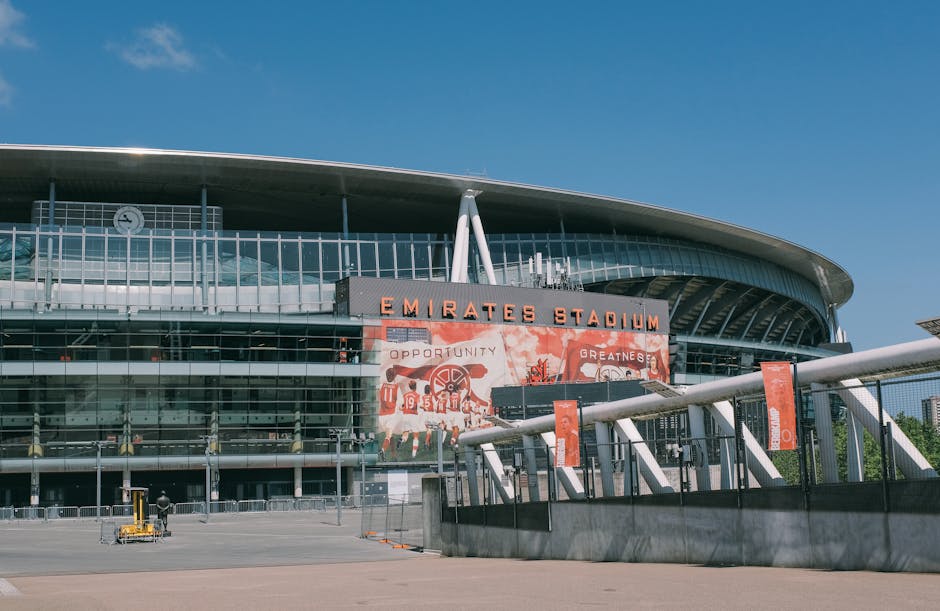
Emergency rubbish clearance near Emirates Stadium Islington
If you need emergency rubbish clearance near Emirates Stadium Islington, you are probably dealing with the sort of mess that does not wait politely for tomorrow. A shop back corridor blocked with packaging. A flat piled with old furniture after a rushed move. Builders' waste sitting in the way of a job that should have been wrapped up yesterday. Whatever the reason, the pressure is real, and the clock feels painfully loud.
The good news is that urgent rubbish removal does not have to be chaotic. With the right approach, you can get bulky waste, mixed junk, and awkward items cleared quickly, safely, and with far less stress than trying to handle it all yourself. This guide explains how emergency rubbish clearance near Emirates Stadium Islington works, what to expect, when it makes sense, and how to choose a service that actually solves the problem instead of creating a new one.
We will also look at practical checks, common mistakes, local considerations around access and timing, and a few sensible ways to avoid the usual last-minute scramble. Truth be told, that bit matters more than most people realise.
Table of Contents
- Why emergency rubbish clearance near Emirates Stadium Islington matters
- How emergency rubbish clearance near Emirates Stadium Islington works
- Key benefits and practical advantages
- Who this is for and when it makes sense
- Step-by-step guidance
- Expert tips for better results
- Common mistakes to avoid
- Tools, resources and recommendations
- Law, compliance, standards, or best practice
- Options, methods, or comparison table
- Case study or real-world example
- Practical checklist
- Conclusion
- Frequently asked questions
Why Emergency rubbish clearance near Emirates Stadium Islington Matters
In a busy part of north London like Islington, urgent rubbish issues can cause more than a visual nuisance. They can block walkways, slow down staff, annoy neighbours, create safety risks, and turn a normal day into a small logistical disaster. Near Emirates Stadium, timing and access can be especially important. On match days, event traffic, parked vehicles, and heavier footfall can make even a simple clearance more awkward than it looks from the outside.
Emergency rubbish clearance is not just about "getting rid of stuff fast". It is about restoring access, reducing risk, and stopping a temporary problem from becoming a bigger one. A pile of waste left in a shared entrance can become a trip hazard. Water-damaged packaging can attract smells. Broken furniture can make a hallway unusable. And if the waste includes sharp items, electricals, or unknown bags, you really do not want to leave it hanging around.
There is also a practical business angle. For local shops, offices, landlords, and event-related premises, a cluttered space can affect trading, inspections, and customer experience. You notice it straight away, and so does everyone else. That first impression matters, even if the rubbish itself only appeared last night.
Practical takeaway: urgent clearance is less about luxury and more about keeping a property safe, usable, and presentable when time is tight.
How Emergency rubbish clearance near Emirates Stadium Islington Works
Most emergency rubbish clearance jobs follow a similar pattern, although the exact details depend on the load, access, and how quickly you need it done. In practice, the process should be straightforward. You describe the waste, the location, and the urgency. The team gives you a realistic expectation for arrival, clearance, and cost. Then the rubbish is removed, loaded, and taken for sorting or disposal.
Typical steps in a same-day or urgent clearance
- Initial contact: you explain what needs clearing, how much there is, and whether it includes bulky, heavy, or specialist waste.
- Quick assessment: the team may ask for photos or a short description so they can judge vehicle size, labour, and access.
- Arrival window: for emergency callouts, the aim is usually speed and predictability, not endless scheduling back-and-forth.
- Removal and loading: items are lifted out carefully, with attention to stairs, narrow corridors, lifts, and shared entrances.
- Sorting and responsible disposal: reusable or recyclable materials should be separated where possible, and any restricted waste handled correctly.
If the job is more complex, it may need a bit more planning. For example, a mixed load from a basement flat can take longer than a simple curbside collection. Likewise, a clearance from a busy commercial street near the stadium may need timed access, loading consideration, or a more compact vehicle. Small details, big difference. Annoying, but true.
Good operators will usually explain what can be taken, what needs special handling, and whether there are any access constraints. If they do not ask questions, that can be a warning sign. A rushed job is one thing. A careless one is another altogether.
Key Benefits and Practical Advantages
There are several clear reasons people choose urgent rubbish removal instead of trying to manage the waste themselves. Some are obvious. Some are the kind you only appreciate when you are already standing in a room full of boxes, broken fittings, and a growing sense of regret.
- Speed: you can clear space on the same day or at short notice, which is often the whole point.
- Safety: trained crews handle heavy, awkward, or sharp items with less risk of injury.
- Convenience: no hiring a van, making multiple trips, or trying to lift something that clearly needs two people.
- Better access: a professional team can work around narrow staircases, courtyards, loading areas, and awkward property layouts.
- Less disruption: for businesses and landlords, fast clearance helps keep things moving.
- Waste handled properly: suitable sorting and disposal reduces the chance of fly-tipping or poor handling.
There is also a calmer benefit that people often miss. Once the rubbish is gone, decision-making gets easier. A cluttered room tends to create a cluttered head. Clear the space, and suddenly the next step looks manageable again. That shift matters, especially when you are dealing with an urgent situation.
Who This Is For and When It Makes Sense
Emergency rubbish clearance near Emirates Stadium Islington can help a wide range of people. It is not only for dramatic situations, and it is certainly not only for businesses. In real life, urgent clearance often helps ordinary households that have simply run out of time, space, or patience.
Common situations where urgent clearance makes sense
- Tenants moving out: when leftover furniture, bags, or broken items need to be removed before check-out.
- Landlords and letting agents: when a property needs to be reset quickly for new occupants.
- Shops and offices: when waste is blocking storage rooms, stock areas, or access routes.
- Builders and trades: when leftover rubble, timber, packaging, or mixed debris needs clearing to finish a job.
- Families: after a loft sort-out, house move, or an unplanned home emergency that has created a pile-up.
- Event-related premises: where timing is tight and space needs to be restored fast.
Sometimes the need is obvious. Sometimes it is a judgment call. If waste is causing a safety issue, preventing normal use of the property, or making a deadline harder to meet, urgent clearance is often the sensible answer. If it is just a little untidy, you may not need an emergency response at all. A calm decision saves money and stress.
Step-by-Step Guidance
If you want the process to go smoothly, a little preparation helps. Not loads. Just enough to avoid avoidable delays.
1. Identify what actually needs removing
Start by separating the rubbish into rough categories. Mixed junk, furniture, white goods, cardboard, building waste, and anything potentially hazardous all affect how the job is handled. A quick sort saves time later. Even five minutes can help.
2. Check access before you book
Think about stairs, lifts, narrow hallways, permit concerns, parking, and whether the waste is inside or outside. Around Emirates Stadium and central Islington streets, access can be the difference between a clean fast job and a frustrating one. If the collection point is in a tight courtyard, mention it early.
3. Take a few clear photos
Photos are one of the most useful things you can provide. They help the team understand volume, item type, and access constraints. No need for perfect lighting or artful composition here. Just enough to show what is there. A bit of daylight near a window usually does the trick.
4. Ask what is included
Make sure you know whether labour, loading, disposal, and VAT are included, and whether there are any extra charges for heavy lifting, stairs, or restricted access. Clarity upfront is better than a surprise later. To be fair, that is true in most services, not just rubbish removal.
5. Clear a route if you can
Move smaller loose items, unlock gates, and make a path to the waste pile if possible. You do not need to do the heavy lifting yourself, but creating a clear route helps the team work faster and more safely.
6. Separate anything sensitive
If you have documents, valuables, medicines, or items you want to keep, put them aside before the team arrives. It sounds obvious, yet in a stressful moment obvious things are exactly what get missed.
7. Confirm timing and contact details
For emergency work, timing matters. Confirm the arrival window, the best phone number, and any building entry instructions. If there is a concierge, caretaker, or site contact, let them know as well. One missing detail can slow everything down.
Expert Tips for Better Results
After enough urgent clearances, a few patterns become obvious. The best results usually come from simple planning, not clever tricks.
- Be honest about volume. If you understate the amount, the team may arrive with too little capacity. That can mean delays or a return visit.
- Tell them about awkward items. Sofas, wardrobes, fridges, and broken exercise equipment are heavier than they look. Funny how that works.
- Keep walkways open. Even a narrow corridor free of clutter can speed things up dramatically.
- Ask how recyclable material is handled. A responsible provider should be able to explain their sorting approach in plain English.
- Plan around local timing. If you are near the stadium, think about traffic flow and busier periods. An early slot can be easier than an afternoon window on a hectic day.
- Do not mix clearances unless you have to. If hazardous material, general junk, and confidential papers are all involved, flag them separately.
A small but useful tip: if the waste is in a flat or office, check the lift size before you call. People forget this all the time. Then everyone stands there staring at a wardrobe that is just a bit too confident for the doorway.
Another one: if a job feels urgent, it is usually worth taking photos from two angles, not one. Front-on shots often hide just how much is tucked behind the visible pile.
Common Mistakes to Avoid
Most problems with emergency rubbish clearance are avoidable. Not all, but most. The common mistakes are familiar because, frankly, people are busy and rubbish only becomes a priority when it starts causing a problem.
- Waiting too long: the longer the waste stays put, the more likely it is to block access or become harder to handle.
- Choosing only by price: the cheapest option is not always the quickest, safest, or most complete.
- Not checking what can be taken: some items may require special handling or separate arrangements.
- Forgetting access issues: parking, permits, lifts, and entry codes can all affect the job.
- Leaving the sort-out for later: if you need something kept, remove it before the crew arrives.
- Ignoring waste type: general rubbish, electricals, appliances, and potentially hazardous items are not all the same thing.
Another subtle mistake is assuming all urgent services work the same way. They do not. Some are better for bulky furniture. Others are stronger on mixed waste from offices or renovation jobs. Matching the provider to the task saves hassle. Simple enough, but easy to overlook when you are in a hurry.
Tools, Resources and Recommendations
You do not need a full kit to prepare for emergency rubbish clearance, but a few basic things help. More than anything, it is about making the job easier for the people coming to clear the waste.
Useful things to have ready
- a phone with the waste photographed clearly
- a rough note of item types and quantity
- building access details, including codes or contact names
- parking or loading information if relevant
- any items that must not be removed
- a quick plan for where cleared space should be left clean or empty
On the service side, it helps to compare providers by practical factors, not just marketing language. Look for clear communication, sensible availability, transparent pricing, and a sensible approach to safety and disposal. If you want to understand the wider service range, pages such as waste removal, furniture clearance, and builders waste clearance can be useful starting points when your urgent job has a specific type of load.
If the clearance involves a full room, flat, or office reset, you may also find it helpful to review home clearance, flat clearance, or office clearance depending on the setting. That is often the difference between a one-off panic and a tidy plan.
Law, Compliance, Standards, or Best Practice
Waste clearance in the UK comes with responsibilities, even when the job is urgent. You do not need to become an expert in waste law just to get something removed, but you do want a provider that follows normal best practice and treats the job properly.
In plain English, that usually means waste should be carried, sorted, and disposed of in a way that reduces fly-tipping, protects health and safety, and respects any special handling needs. If the waste includes electrical items, appliances, confidential papers, sharp material, or anything that may be classed as hazardous, those items should be handled carefully and not simply bundled in with general rubbish.
It is also sensible to choose a company that can speak clearly about insurance, safety, and operational standards. If you want to see how a provider frames these matters, pages like insurance and safety, health and safety policy, and recycling and sustainability are worth reading. They help set expectations, especially if you are booking on behalf of a landlord, business, or site manager.
For certain loads, best practice matters even more. Fridges, appliances, and items with coolant or electrical parts should not be treated casually. Likewise, confidential documents should not be left in a mixed pile if they can be dealt with separately. If your situation involves those kinds of items, it is better to ask a direct question than assume. That is just common sense, really.
Options, Methods, or Comparison Table
There is more than one way to deal with urgent rubbish. The right choice depends on volume, item type, urgency, and access. A quick comparison helps when you are deciding under pressure.
| Method | Best for | Pros | Limits |
|---|---|---|---|
| Emergency rubbish clearance service | Fast removal of mixed waste, bulky items, or access-heavy jobs | Quick, labour included, less stress, suited to same-day needs | Can cost more than slower options if timing is not critical |
| Self-loading into a van | Smaller loads with flexible timing | Potentially cheaper if you already have transport and helpers | Time-consuming, physically demanding, multiple trips, parking issues |
| Skip hire | Longer jobs with predictable waste volume | Good for ongoing work, useful for building projects | Needs space, permits may be needed, not ideal for immediate access problems |
| Specialist item disposal | Appliances, mattresses, or specific furniture types | Focused handling for particular items | Not always suitable for mixed or urgent clearances |
If you need speed and a hands-off solution, a direct clearance service is usually the easiest option. If the waste is smaller and time is on your side, self-loading or a more planned arrangement might make sense. There is no single answer for every job, and that is fine. The best option is the one that gets the space usable again without creating three new problems.
Case Study or Real-World Example
A practical example makes this easier to picture. Imagine a small commercial unit a short walk from Emirates Stadium. A tenant finishes a refit late on a Friday, but the back storeroom is full of packaging, broken shelving, a damaged desk, and several bags of mixed waste. The new occupants are due in the following morning. Not ideal.
Rather than trying to split the job into several trips or leave the mess until the weekend, the manager arranges emergency rubbish clearance near Emirates Stadium Islington for that evening. Photos are sent first, including the narrow access route and the loading point. The team arrives with the right vehicle size, clears the waste in one visit, and sorts recyclable material separately where possible. The room is left empty, the route is open, and the next morning the handover is calm instead of frantic.
That is the kind of situation urgent clearance is made for. Not glamorous. Not complicated. Just one of those jobs where fast, competent action saves a lot of grief later. And yes, there is usually some dust under the old shelving. There always is.
Practical Checklist
Use this quick checklist before the team arrives. It is simple, but it saves time.
- Identify the waste type and approximate volume.
- Separate anything valuable, sensitive, or important.
- Take clear photos of the load and the access route.
- Confirm the collection address and best contact number.
- Share gate codes, lift details, parking notes, or concierge instructions.
- Ask whether any items need specialist handling.
- Make sure the path to the waste is reasonably clear.
- Check whether you need the space left empty, swept, or fully cleared.
- Confirm what is included in the quote.
- Keep an eye on timing if local traffic or event activity may affect access.
If you can tick most of those off, the whole process tends to run more smoothly. Not perfectly every time, because real life rarely behaves that neatly, but smoothly enough.
Conclusion
Emergency rubbish clearance near Emirates Stadium Islington is about restoring order quickly when rubbish has become more than a minor inconvenience. Whether you are dealing with a household pile-up, a business backlog, a post-builder mess, or a last-minute property handover, the right clearance service should make the problem simpler, safer, and less disruptive.
The best results usually come from clear information, realistic expectations, and a provider that understands local access conditions as well as the practical side of waste removal. If you prepare the basics, ask the right questions, and choose a service that handles the job responsibly, you can turn a stressful situation into something manageable.
Get a free quote today and see how much you can save.
And if all you manage today is getting the space back to calm, that is already a win. Sometimes that is exactly enough.
Frequently Asked Questions
What counts as emergency rubbish clearance near Emirates Stadium Islington?
It usually means a fast-response waste removal service for situations where rubbish is causing a safety issue, blocking access, affecting a deadline, or simply needs to go the same day or very quickly.
How fast can an urgent clearance usually happen?
That depends on the provider, the size of the job, and local access conditions. Some clearances can happen the same day, while others may need a short lead time if the load is large or complex.
Can you remove bulky items like sofas, wardrobes, and mattresses?
Yes, bulky items are a common part of emergency clearance work. Just be sure to mention the item types in advance so the team can plan the right vehicle and labour.
What if the rubbish includes electrical items or appliances?
Electricals and appliances often need separate handling. It is best to flag them early, especially for fridges, freezers, and anything with wiring or cooling components.
Do I need to move the rubbish outside before collection?
Not usually. Many services collect from inside the property, though access details matter. If the waste is already outside, that can help speed things up, but it is not always necessary.
How do I know if I need emergency clearance or a planned removal?
If the waste is stopping normal use of the space, creating a hazard, or tied to a deadline, emergency clearance makes sense. If it is simply unwanted and not time-sensitive, a planned collection may be enough.
Will the team sort recyclable items?
Responsible providers should separate recyclable material where practical. The exact process can vary, so it is sensible to ask how mixed loads are handled before booking.
What information should I provide when booking?
Send a short description of the waste, the estimated volume, access details, photos if possible, and anything unusual such as stairs, permits, or restricted items. The clearer the brief, the smoother the job.
Is emergency rubbish clearance suitable for offices and shops near the stadium?
Yes. It is often a good fit for commercial spaces that need storage areas, workrooms, or customer-facing spaces cleared quickly with minimal disruption.
What are the most common extra charges to ask about?
It is wise to ask about labour, heavy lifting, difficult access, stairs, parking complications, and any items that need special handling. A transparent quote should explain these points clearly.
Can I book this for a flat or house with narrow stairs?
Yes, but mention the stairs and any tight turns or awkward entry points. That helps the crew bring the right approach and avoid delays on arrival.
What should I do with confidential papers or sensitive items?
Keep them separate from general rubbish. If you have a lot of paperwork, a service such as confidential shredding may be more appropriate for that part of the job.
If you want a clean, practical result without the scramble, the next step is simple: describe the waste clearly, check access, and speak to a team that can respond properly. That one calm decision can make the rest of the day a lot easier.